01. Introduction
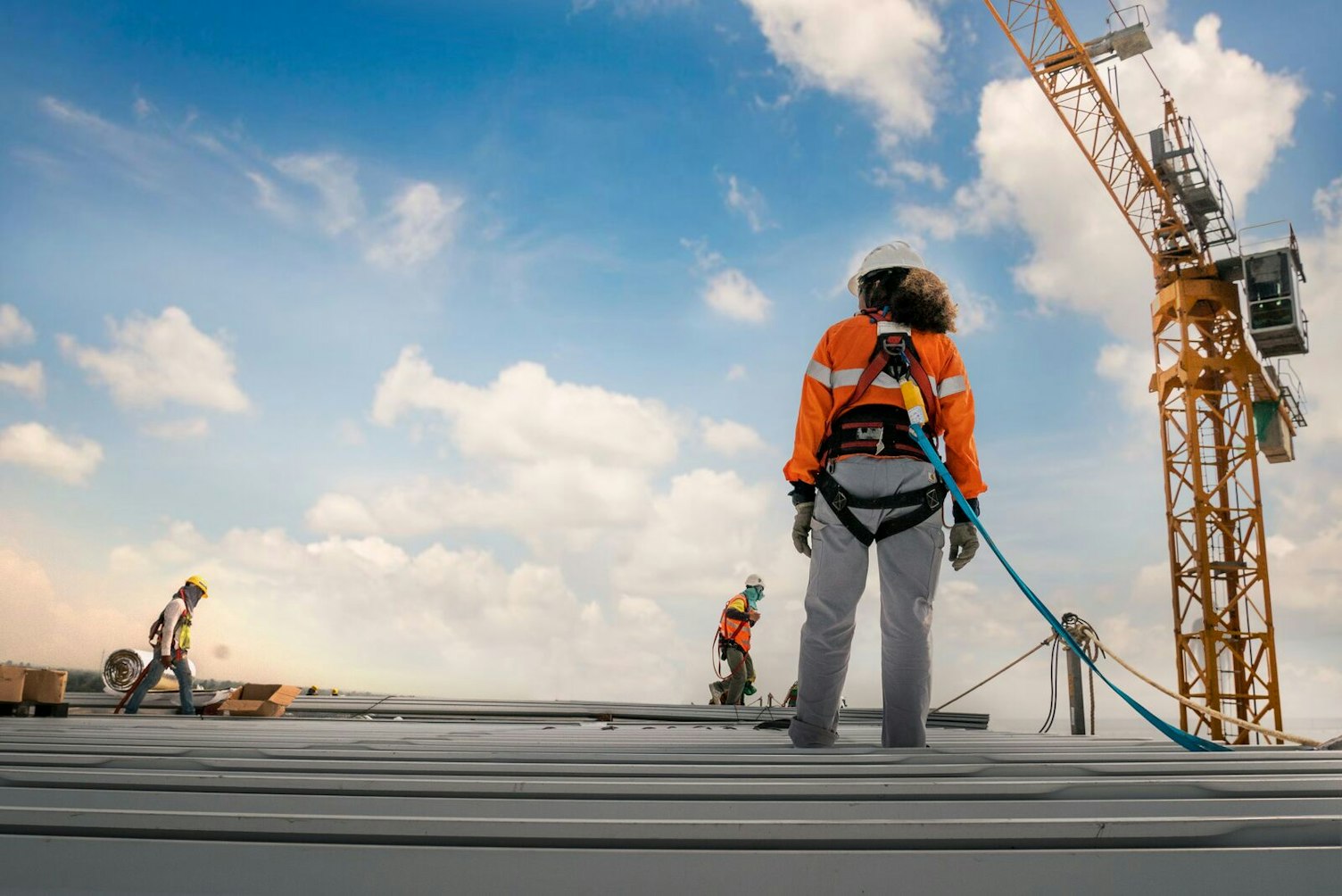
A key component of Sri Lanka's economy, the construction sector creates jobs, housing, and infrastructure in both rural and urban areas. However, it continues to be one of the riskiest industries. Construction work is responsible for a significant portion of occupational injuries and fatalities worldwide, and Sri Lanka is no exception. The industry's sustainability and productivity are still threatened by frequent accidents, hazardous work practices, and the financial and human costs of poor health and safety (H&S)
With a substantial GDP and employment contribution, Sri Lanka's construction sector is an essential part of the country's economy. But it's also one of the riskiest industries, with a high rate of mishaps and health hazards. From the standpoint of human resource management (HRM), this blog examines methods for improving health and safety in Sri Lanka's construction sector. Each of the six chapters that make up the discussion addresses important facets of enhancing worker wellbeing and workplace safety.
01. Hiring and developing competencies. Skill gaps are decreased by hiring for safety-critical positions and certifying machine operators and site managers. Baseline safety performance is improved through competency-based evaluations, structured induction programs, and ongoing on-site training that includes literacy and language-appropriate material.
02. Training, education, and behavior modification. Practical demonstrations, toolbox presentations, scenario-based drills, and job-role-specific refreshers are all components of effective H&S training. To reinforce safe habits, HR can incorporate learning pathways, connect training completion to career advancement, and use coaching and mentoring (peer leaders, safety champions).
04. Devotion to leadership, communication, and organizational culture. Senior management must make safety a clear priority by investing in PPE and safe equipment, taking part in site safety rounds, and outlining precise H&S expectations. In order to reach a variety of workforces, including migrant and informal workers, HR can create internal campaigns, multilingual signs, and reporting channels. Wearables, safety applications, and CCTV analytics are examples of digital solutions that are becoming more and more helpful for tracking compliance and facilitating prompt actions.

Obstacles to implementing HRM-driven H&S interventions in Sri Lanka include small contractors' limited finances, uneven enforcement, informal employment connections, and managers' and employees' aversion to change. Phased training pilots, low-cost behavior-based safety programs, collaborations with trade unions, public agencies, industry associations (like CIDA), and the use of global best practices modified for regional circumstances are all practical ways to overcome challenges.
In conclusion, an integrated strategy with HRM as a strategic partner is required to improve H&S in Sri Lankan construction. The industry can reduce injuries, lower costs, and deliver projects more reliably—benefiting employees, employers, and the national economy by professionalizing safety-related roles, institutionalizing continuous learning, aligning incentives, and cultivating a safety-first culture supported by suitable technology and policy.
Reference


Your analysis clearly highlights the dual nature of Sri Lanka’s construction industry—its importance to national development and its persistent vulnerability to health and safety risks. What stands out effectively is the recognition that technical controls alone cannot address the deep-rooted issues in the sector. By drawing attention to fragmented supply chains, informal work arrangements, inadequate legislation, and gaps in safety culture, the discussion underscores why a human resource management (HRM) perspective is essential. Strengthening H&S through HRM-driven approaches—such as competency-based hiring, continuous training, performance-based accountability, and improved communication—can create a more proactive and people-centered safety environment. This shift is critical not only for reducing accidents but also for enhancing long-term productivity, workforce stability, and overall industry sustainability.
ReplyDeleteDear Apeksha,I appreciate your thoughtful examination of Sri Lanka's building industry's dual character. I wholeheartedly concur that a thorough strategy that goes beyond technological controls is needed to address the health and safety hazards. In order to address systemic issues and change the industry's safety culture, a human resource management perspective is essential. It is true that putting tactics like competency-based recruiting, ongoing training, and performance-based accountability into practice can encourage a more proactive approach to safety. By giving these HRM-driven projects top priority, we can improve worker morale and industry sustainability in addition to lowering accident rates. It's a crucial step in making the workplace safer and more effective for all parties.
DeleteThe construction industry in Sri Lanka is critical and risky and HRM can transform H&S into a strategic and people-oriented initiative. The industry can reduce accidents, enhance productivity, and develop a strong safety culture with enhanced recruitment, competency, training founded on behavior, performance incentives, and leadership involvement.
ReplyDeleteIn fact, you have raised some really good issues on how human resource management might improve health and safety in Sri Lanka's construction sector. We can greatly reduce risks and promote a strong safety culture by giving strategic, people-oriented initiatives top priority. Improved hiring procedures and behavior-focused competency-based training will raise both individual and group safety standards. The significance of safety at all organizational levels can also be emphasized by incorporating performance incentives and actively engaged leadership. When combined, these initiatives have the potential to significantly lower accident rates and increase overall productivity, which will ultimately help the construction sector become more robust and sustainable. I appreciate you pointing up these important points! Thank you Nirmal...
DeleteA clear and insightful introduction to the pressing health and safety challenges in Sri Lanka's construction sector. Your focus on HRM-driven solutions spanning recruitment, training, incentives, culture, and technology shows a people-centered approach that goes beyond compliance and technical fixes. Recognizing systemic barriers and proposing realistic strategies (like phased pilots, multilingual outreach, and digital tools) makes this post practical and relevant. This is essential reading for anyone aiming to create safer, more sustainable workplaces in the construction industry. Well done!
ReplyDeleteSachithra, thank you so much. Your kind and supportive remarks are greatly appreciated. I'm delighted that the introduction struck a chord with you, particularly the focus on people-centered, HRM-driven solutions. It is really inspiring that you see the systemic issues and the importance of workable solutions like digital tools, phased pilots, and multilingual communication. Your comments motivate me to keep looking for methods to help Sri Lanka's construction sector create safer, more sustainable, and more human-centered workplaces. Again, I want to thank you for your encouragement and support!
DeleteThis section gives a clear and comprehensive overview of the health and safety challenges in Sri Lanka’s construction industry. It effectively explains how HRM can play a strategic role in improving worker safety through training, culture-building, and better systems. The points are well-supported with research and highlight both the problems and practical solutions. Overall, it presents a strong argument for making health and safety a people-centered priority in the construction sector.
ReplyDeleteRahal, I sincerely appreciate your insightful and supportive comments. I sincerely appreciate your acknowledgment of the section's description of the main health and safety issues facing Sri Lanka's construction sector. I'm happy that the description of HRM's strategic function struck a chord with you, from system strengthening to training and culture-building. Your recognition of the useful solutions and research assistance is really encouraging. Again, I want to thank you for your support and good thoughts!
DeleteYes Ishan , You have highlighted that while Sri Lanka’s construction sector is vital for the economy, it faces serious health and safety challenges that threaten both workers and productivity. The article emphasizes that improving H&S requires a strategic, HRM-driven approach, including competency-based hiring, effective training, performance incentives, and strong leadership commitment. By integrating people management with technology and policy support, the industry can reduce accidents, enhance employee well-being, and improve overall efficiency, making safety a key driver of sustainable growth rather than just a regulatory requirement
ReplyDeleteSanjeewani, thank you very lot. I sincerely appreciate your support. I truly like how you conveyed the major point, which is that although though Sri Lanka's building industry is essential to the country's development, there are still significant health and safety dangers. You have a perfect grasp of how safety standards can be transformed through a strategic, HRM-driven strategy.
ReplyDeleteIt is clear how people-centered methods may lead to actual progress when competency-based hiring, appropriate training, performance incentives, and strong leadership are highlighted. And you're 100% correct: when HR, technology, and policy come together, safety becomes more than simply a compliance burden; it becomes a basis for long-term growth.
Once again, I want to thank you for your insightful advice and kind support.
This introduction points out that the construction industry in Sri Lanka is a high-risk yet economically vital industry, very much accident-prone with inadequate safety practices. It emphasizes that HRM is able to turn health and safety into a strategic and people-centered approach through competency-based hiring, ongoing training, performance incentives, leadership engagement, and a strong culture of safety. While there are some challenges that might make it difficult to apply HRM interventions-such as informal labor and scarce resources-phased and context-specific HRM interventions could improve worker safety and reduce accidents and ultimately increase productivity in the entire industry.
ReplyDeleteA very insightful analysis. HRM truly plays a critical role in strengthening health and safety in the construction sector. By recruiting skilled workers, providing continuous safety training, setting clear safety KPIs, and building a strong safety culture, HRM helps reduce accidents and unsafe practices on site. When HR teams prioritize proper induction, ongoing education, fair reporting systems, and leadership commitment, workers become more aware, more responsible, and more protected.
ReplyDelete